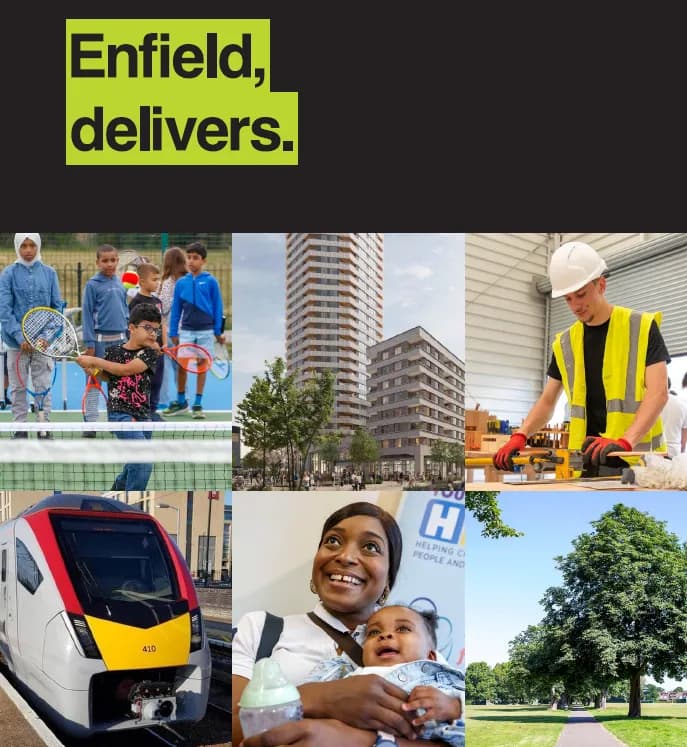
Enfield Magazine arrives to serve a borough that has witnessed seven centuries of continuous market trading, hosted the world's first cash machine, and manufactured rifles that equipped the British Army through two world wars. This publication is dedicated to covering the stories, people, and places that make the London Borough of Enfield one of the capital's most distinctive communities.
A Borough Forged by History
The London Borough of Enfield, created on 1 April 1965 under the London Government Act 1963, brought together three historic centres: the market town of Enfield, the industrial district of Edmonton, and the garden suburb of Southgate. Today it covers 31.74 square miles and is home to an estimated 327,434 residents.
Enfield Town itself traces its origins to a royal charter granted by Edward I in 1303, permitting Humphrey de Bohun to hold a weekly market each Monday. That market continues to operate today under the stewardship of the Old Enfield Charitable Trust. A plaque unveiled by Queen Elizabeth II in 2003 commemorates 700 years of trading in the Market Place.
The area's heritage runs deeper still. Enfield Grammar School, founded in 1558, still occupies its Tudor Old Hall. Forty Hall, a sixteenth-century manor house, stands on the site of the former Elsyng Palace. The New River, constructed in the early seventeenth century to supply London with fresh water, flows through the borough; its Enfield Loop, bypassed in 1926, was retained for ornamental purposes.
Innovation and Industry
Enfield's contribution to British manufacturing and technology is substantial. The Royal Small Arms Factory at Enfield Lock produced the Lee-Enfield .303 rifle, the standard British Army issue until 1957, along with Bren and Sten machine guns. Ferguson manufactured the world's first solid-state colour televisions at its Enfield plant. Hotpoint's Enfield facility produced the first mass-produced dishwasher. Perhaps most recognisably, the world's first ATM was installed at Barclays Bank in Enfield Town on 27 June 1967, opened by actor Reg Varney.
A Diverse and Growing Community
The 2011 census recorded a population of 312,466, a figure that has since grown to approximately 327,000. The borough is notably diverse: according to 2021 census data, 47.9 per cent of residents identified as non-White, with significant Black African, Black Caribbean, Asian, and mixed-heritage communities. Religious affiliation is equally varied, with Christians comprising 46.4 per cent of the population, Muslims 18.6 per cent, and those identifying as non-religious making up 19.8 per cent.
Life expectancy varies considerably across the borough. Between 2009 and 2013, Highlands ward recorded the highest figures at 82.5 years for men and 87.2 years for women, whilst Enfield Lock reported the lowest at 76.7 years for men and 81.4 years for women.
Green Spaces and Recreation
Despite its North London location, Enfield retains substantial green space. Enfield Chase, formerly a royal hunting ground, now provides public parkland. Myddleton House and its gardens form part of the Lee Valley Park. Capel Manor College offers horticultural training and public gardens. The Queen Elizabeth II Stadium, home to Enfield Town FC, holds the distinction of being the country's first fan-owned football club.
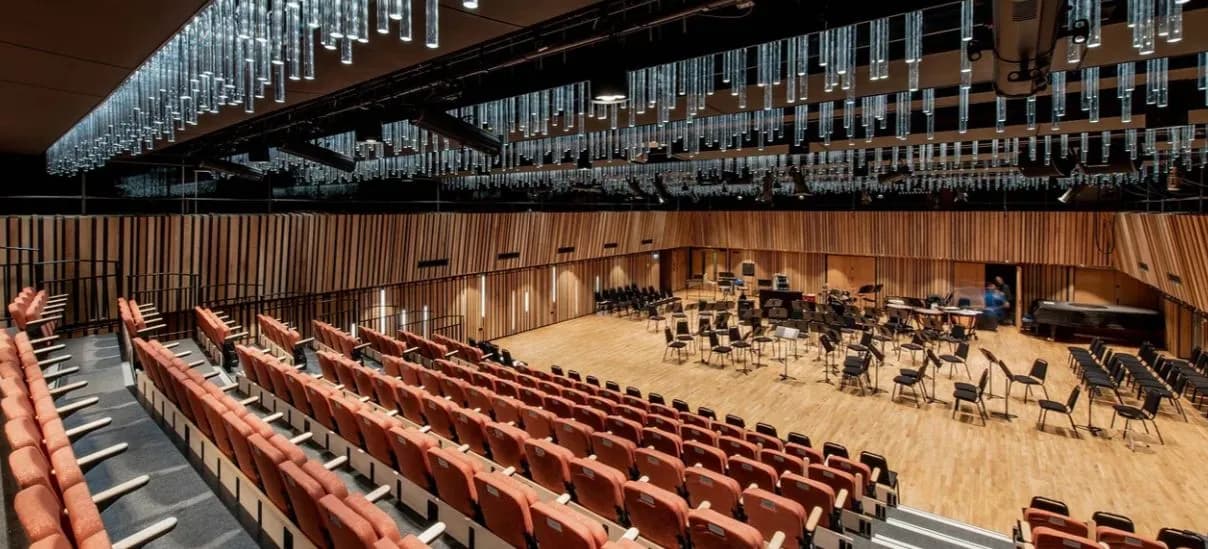
Cultural venues include the Millfield Theatre, the Dugdale Centre, and the Chickenshed Theatre Company, which has built a national reputation for inclusive theatre practice.
Local Media Landscape
Enfield has long been served by local journalism. The Enfield Independent, published by Newsquest Media Group, provides weekly news coverage online and in print. The Enfield Dispatch offers additional local reporting. Enfield Magazine joins this ecosystem with a focus on longer-form features, community storytelling, and hyper-local culture: the restaurants opening on side streets, the artists working in converted warehouses, the campaigns to preserve historic buildings, and the residents shaping the borough's future.
What Enfield Magazine Will Cover
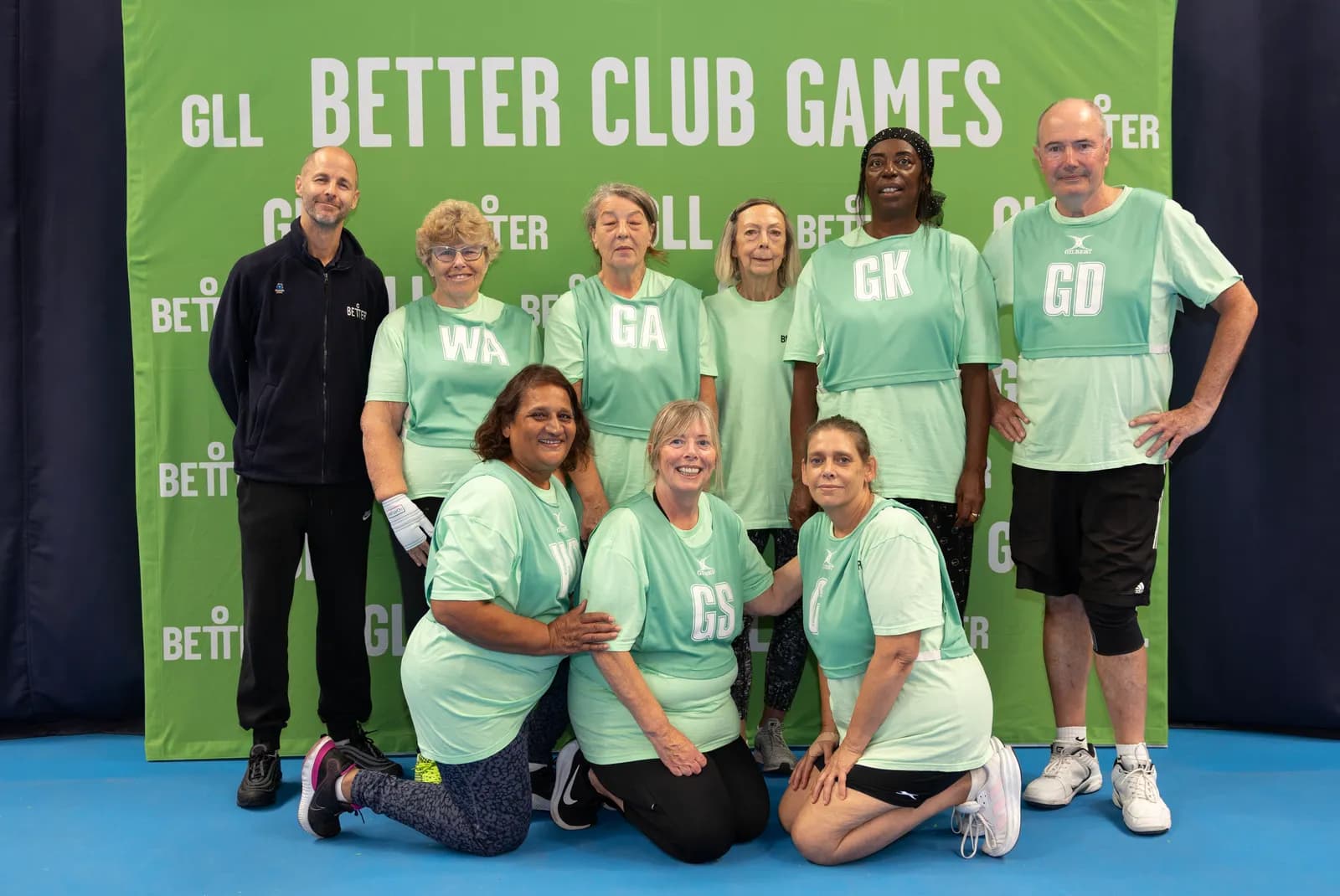
This publication will document the ongoing regeneration of areas such as Edmonton Green. It will profile the independent businesses trading in the shadow of chain stores. It will cover local council decisions affecting planning, housing, and transport. It will celebrate the borough's sporting achievements, from non-league football to grassroots cricket and rugby.
Enfield is a borough where a medieval market charter, a 1960s cash machine, and a twenty-first-century community occupy the same streets. Enfield Magazine will report on all of it.